





GEDC Transformative Engineering Award
George Mason University’s College of Engineering and Computing (CEC) pledged its support for a prestigious international award administered by the Global Engineering Deans Council (GEDC). The university is in its fifth year of sponsoring the award, called the GEDC Transformative Engineering Award (previously named the GEDC Diversity Award).
The award, established in 2012, recognizes institutions that work to transform the global community of engineers so that the engineering industry reflects the communities it supports, with transformation recognized as a driver for innovation and growth. The award will be presented at the joint World Engineering Education Forum (WEEF) and GEDC meeting September 22-25 2026 in Colombia.
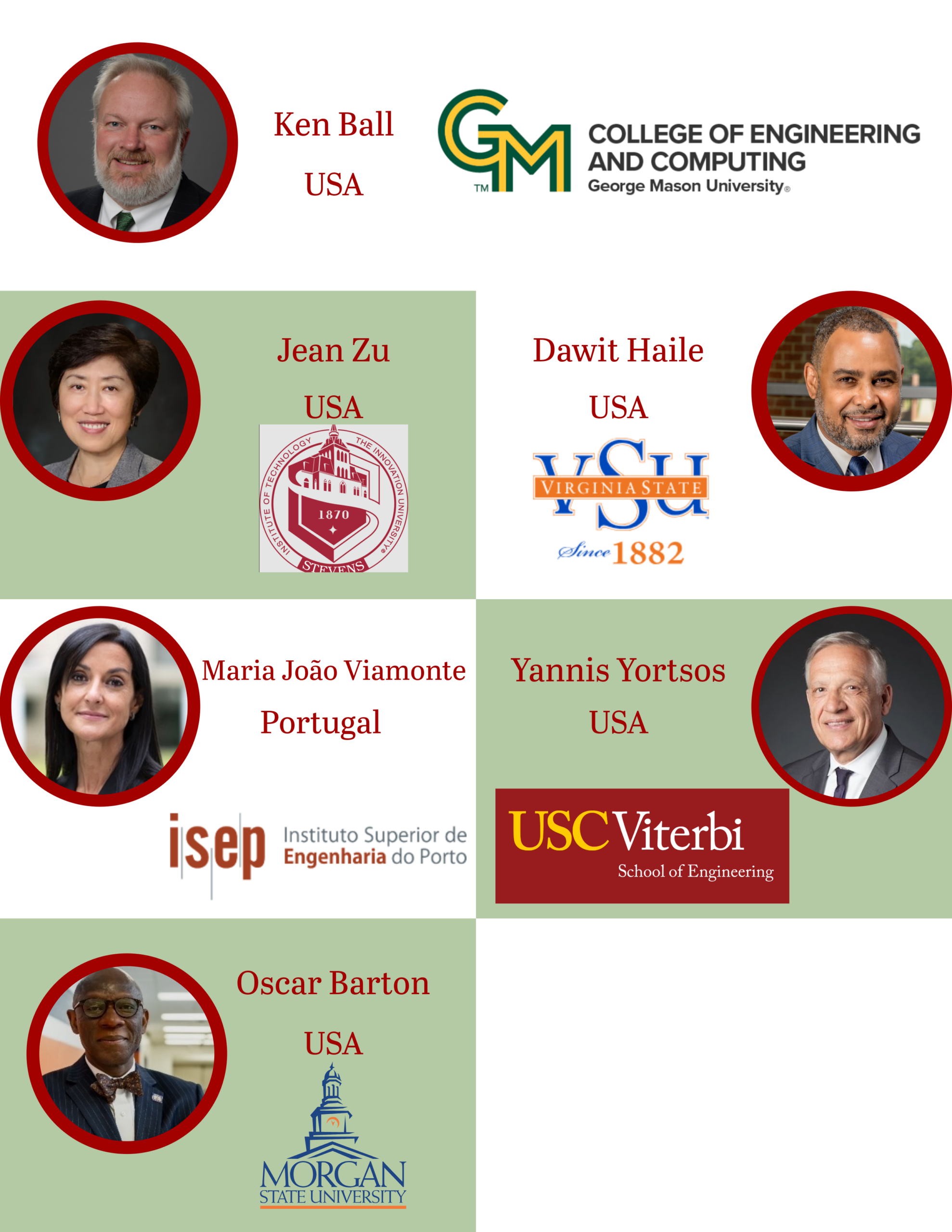
George Mason houses the WEEF and GEDC Secretariat and CEC Dean Ken Ball who continues to serve on GEDC Executive Committee. Ball said, “Global engagement is a key strategic goal of George Mason and we seek to expand opportunities for global learning by creating partnerships and programs to support student and faculty mobility and collaboration.”
2026 GEDC Transformative Engineering Award WINNER
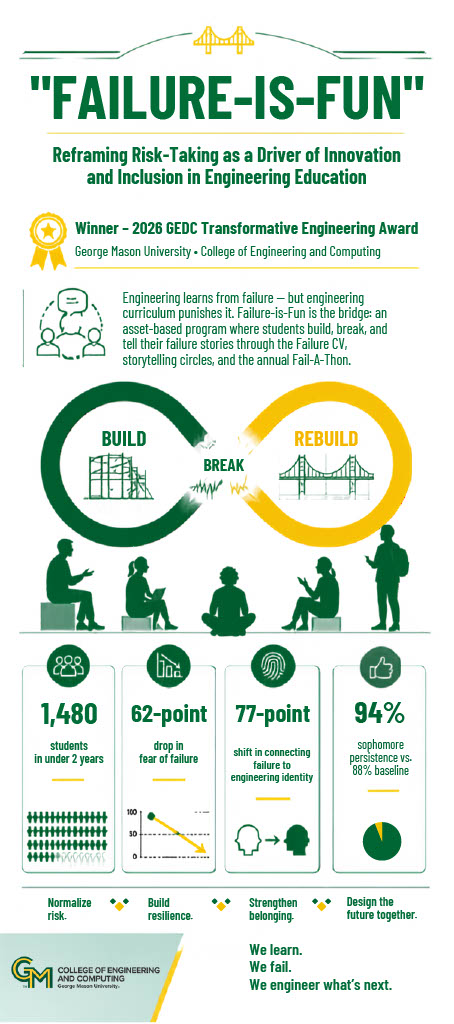
Failure-Is-Fun: Reframing Risk-Taking as a Driver of Innovation and Inclusion in Engineering Education
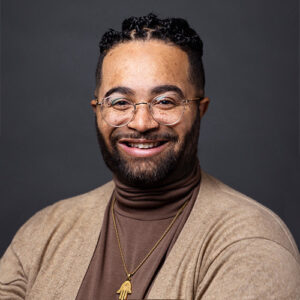
Christopher A. Carr, Ed.D., M.P.P.
Associate Dean for Outreach, Student Success, and Engagement and Deputy Title IX Coordinator at George Mason University’s College of Engineering and Computing
He is the architect of Failure-Is-Fun, an asset-based initiative that reframes failure as a driver of innovation and inclusion in engineering education, and teaches ENGR 110: Engineering, Computing, and Social Justice as well as HNRS 360: Leadership, Innovation, and Change in Mason’s Honors College.
Dr. Carr’s scholarship centers on Critical Joy Pedagogy, an asset-based framework that positions marginalized communities – first-generation students, immigrants, veterans, and rural and urban underserved populations – as knowledge-holders whose experiences can transform how engineers are educated and what technologies they build. His work has been published in edited volumes and presented at IEEE EDUCON, the World Engineering Education Forum, NCORE, and the ASEE Annual Conference.
He serves as First Vice President of the American Society for Engineering Education and Vice President of ASEE’s Professional Interest Councils and is a co-editor of the Journal of Black Excellence in Engineering, Science, and Technology (BEST), published by the National Society of Black Engineers. He is a board member of the Last Mile Education Fund, which supports students facing financial emergencies that threaten degree completion. Before Mason, he served as Chief Academic and Program Officer at the National Society of Black Engineers and as the inaugural Senior Adviser to the EPA Administrator for Diversity, Equity, Inclusion, and Accessibility, leading organizational transformation across a 15,000-employee federal agency. He has served as a grant reviewer for the National Science Foundation, the Howard Hughes Medical Institute, and the National Institutes of Health, and is an incoming Visiting Fellow at the SNF Agora Institute at Johns Hopkins University.
A first-generation college graduate from Kansas City, Missouri, Dr. Carr brings sustained international engagement through collaborations in Latin America, the Caribbean, and Europe. He holds an Ed.D. in Interdisciplinary Leadership from Creighton University and an M.P.P. from Pepperdine University. Outside his professional work, he serves as a Court-Appointed Special Advocate for children in foster care, has coached FIRST Robotics teams in the Chesapeake region, and spends his free time with his partner Elgin and his French Bulldog, Lilo.
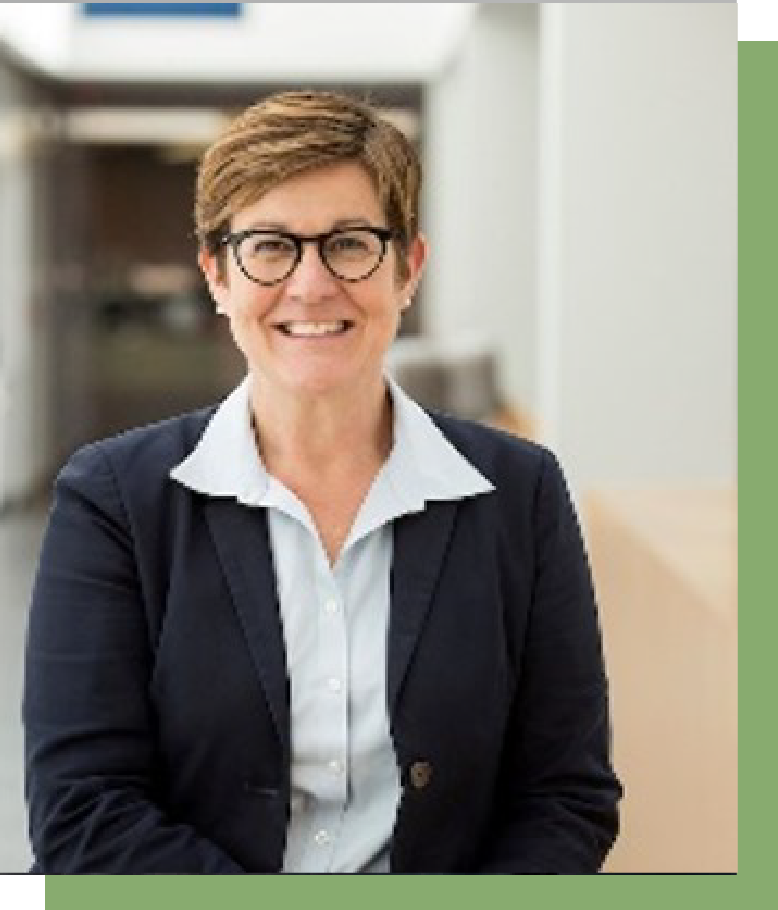
Christi K. Wilcox, MBA, MFA
Director of Research and Programs and Deputy Title IX Coordinator in the Office of Outreach, Student Success, and Engagement at George Mason University’s College of Engineering and Computing
She directs the implementation and day-to-day execution of programs serving more than 12,000 students across 10 academic departments, manages the office budget, secured competitive external funding from the Kern Foundation, and the National Action Council for Minorities in Engineering for the College.
Wilcox established the operational systems and processes that drive the day-to-day functions of the Office of Outreach, Student Success, and Engagement and leads the College’s KEEN Faculty Learning Community, advancing entrepreneurial mindset adoption across multiple engineering disciplines. She directs the NACME Scholars Program, has trained faculty hiring committees in inclusive hiring practices, and facilitates a recurring inclusive STEM teaching workshop for graduate students entering teaching assistant roles. She also serves as program director for Failure-Is-Fun, an asset-based initiative that reframes failure as a driver of innovation and inclusion in engineering education.
A practitioner-scholar with a growing research agenda, Wilcox is pursuing a doctorate in Higher Education at George Mason University. Her research examines who becomes a senior administrator in higher education, how institutional pipelines shape that process, and what it costs when preparation and role demands do not align. Her work sits at the intersection of organizational structure, disciplinary power, race, and professional identity. She has published peer-reviewed scholarship in the Journal of Statistics and Data Science Education, the ASEE Annual Conference and Exposition, and the IEEE Global Engineering Education Conference (EDUCON). She holds an MBA from the University of the West Indies, an MFA from Syracuse University, a BA from the University of Sussex, and an Advanced Certificate in Diversity, Equity, and Inclusion from Cornell University.
Born and raised in Nassau, Bahamas, Wilcox now lives with her family in Northern Virginia. She serves on the board of the Fauquier County Public Library and volunteers regularly at her local library and community bookstores.
Engineering is a learning-from-failure discipline iteration is the method yet engineering curriculum treats failure as deficiency. Failure-Is-Fun bridges that contradiction. Developed at George Mason University’s College of Engineering and Computing, this asset-based initiative reframes failure as a generative, joyful, and essential part of the engineering process, with particular attention to students who carry communal weight: first-generation students and those from communities underrepresented in engineering, for whom every mistake can feel like it belongs to everyone they represent.
Rather than treating resilience as remediation, Failure-Is-Fun is upstream and universal reaching every student before failure becomes a crisis. Built on the KEEN entrepreneurial mindset framework of curiosity, connections, and creating value, the program operates through three core practices: the Failure CV, facilitated storytelling circles, and failure-positive feedback structures, delivered through experiences like the annual Fail-A-Thon, where student teams build projects and then present what failed and what it taught them.
Since launching in Spring 2025, the initiative has reached 1,480 students across five program touchpoints. Pre/post surveys show a 62-point reduction in fear of failure, a 43-point drop in the belief that failure carries communal consequence, and a 77-point shift in students connecting failure to engineering identity. The inaugural cohort achieved a 94% sophomore persistence rate against an 88% college baseline. Requiring no dedicated facility or specialized equipment, the model is built to travel with an open-access facilitation guide in development and dissemination pathways through the KEEN network’s 50+ institutions.
2026 GEDC Transformative Engineering Award
- Gain global visibility to propel your initiative further. Promote your initiative globally and generate support to expand your impact.
- Inspire others to replicate your successful initiative. Showcase your activities. Make scalable changes.
- Expand your network and be part of a dedicated community. Network with leaders in academia and industry who are committed to improving diversity in engineering education.
- Make an impact in engineering education worldwide. Work together with the Global Engineering Deans Council to increase diversity among the global community of engineers so that the engineering field reflects the diversity of communities it supports.
- Further your project with a $2,000 cash prize. The winning project’s representative will also receive free registration to the World Engineering Education Forum & Global Engineering Deans Council (WEEF & GEDC) 2026 in Cartagena de Indias, Colombia with a sponsored hotel (3 nights) and economy trip stipend.
We are looking for entries from innovative projects that have delivered tangible results in encouraging diversity in engineering education among students and/or graduates.
The award will be given to the project which will:
- Have the most impact – relative to the resources available – to encourage more diverse students to study and succeed in engineering.
- Lead to a measurable increase in the diversity of the engineering student or graduate body.
- Have the potential to become a mechanism for ongoing and scalable change. A project which has not yet generated measurable results would not be eligible.
The 2026 GEDC Transformative Engineering Award is sponsored by multiple GEDC Deans and their institutions.
- Individuals or teams working with or in an engineering faculty, or a school or college of engineering (including Information Technology).
- The entry should come from a university representative, even if other organizations, including private businesses, are involved in or support the project in some way.
- Students are eligible to make award entries, as long as their project is supported by a dean of engineering as per any other entry.
- One main point of contact (POC) is required for each entry. This person should complete their details within the entry form. The POC will be contacted to provide additional supporting information and referees if needed.
- If the entry is selected as one of three (3) finalists, the point of contact (POC) will be invited to present to the jury and attend the award ceremony or nominate a replacement to do so.
- A dean may be part of the project team mentioned but may not submit an entry themselves.
- All entries require a supporting letter from a dean of engineering. See the GEDC website and bylaw III for a description of an engineering dean. If the engineering dean is part of the project team, the supporting letter should come from a senior representative of the institution involved (e.g., provost, president, vice-chancellor, or rector). The same dean or senior representative can support more than one project.
When completing the entry form, please keep in mind that the aim of the award is to recognize specific successful initiatives rather than a history or career of work in this field, however admirable.
Projects submitted for the award should not have been previously recognized at an international level.
If the project submitted for the award was part of a previous entry, the entry form should state what is different in the 2026 entry. Previous GEDC Transformative Award winners should wait at least one year before submitting a new entry.
Complete your registration for the award before the entry deadline on May 29, 2026.
The Award Committee will review the project summary provided at the time of registration to check the eligibility of your project.
Please review the entry questions before logging in and entering your responses online.
Completed entries should be submitted by 11:59 am (GMT) on May 29, 2025, via the online submission form.
Entries can include written text and photos which highlight the project.
All entries must be supported by a dean of engineering or by a senior representative of the institution involved (e.g., provost, president, vice-chancellor, or rector).
Brief resume details for the project representative should be included as part of the submission.
Two references should be included within the submission. One who can validate the material provided about the project and another who should be a character reference for the project representative.
We encourage potential entrants to review the entry form to fully understand what the award qualifications are evaluated on. This includes:
- Description of the initiative(s), including the origin, approach, implementation, and stakeholder involvement.
- Documented evidence of what was actually done.
- A clear explanation of the roles of the project representative and any team members.
- Impact of the project, relative to the resources available with qualitative and quantitative examples of how the impact has been measured.
- Transferability, including how the project could be leveraged for greater scope or reach, or transferred for use in another environment.
- Evidence of the potential to continue and develop the work further.
Entries should be submitted by 11:59 am (GMT) on May 29, 2026.
Following the deadline, three (3) projects will be selected based on the evaluation criteria mentioned above by an award committee made up of representatives from GEDC.
- Three of the project finalist’s representatives will be invited to participate in the annual World Engineering Education Forum (WEEF) taking place in Cartagena de Indias, Colombia, on September 22 – 25, 2026. Please note, only one (1) representative of the winning project will receive sponsorship to the event.
- Prior to the event, three finalist projects will be presented by their representatives to a distinguished jury who will make the final selection before announcing the winning project.
- The finalists may be asked to provide a very short video to help communicate about their project (this is not part of the evaluation process, and guidance on content and form can be provided if needed).
- Following the award announcement, several visibility and dissemination activities will be arranged, with the participation and consent of all finalists, to share good practice and encourage other initiatives supporting diversity in engineering education.
- In addition to the cash prize sponsored by GEDC deans, the winner will receive complimentary registration, hotel compensation for 3 nights stay, and an economy trip to the WEEF 2026 conference in Cartagena de Indias, Colombia.
2026 GEDC Transformative Engineering AWARD Sponsors

THANKS TO OUR 2026 AWARD COMMITTEE MEMBERS
About Past Awards


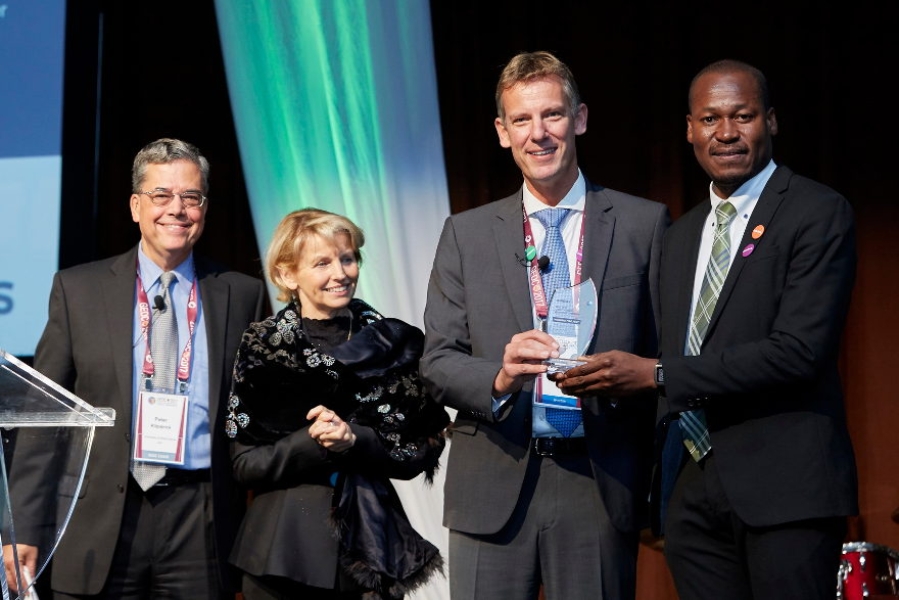
This pioneering award recognising projects which have shown to increase diversity in Engineering Education was initiated by Airbus in 2012 in partnership with the Global Engineering Deans Council (GEDC).
The award was launched to shine a light on successful grassroots projects that have inspired students from all profiles and backgrounds to study and succeed in engineering, leading the way for a more diverse and inclusive engineering workforce.
After seven memorable editions, in 2020 Airbus worked with the GEDC to open up the award to new partners. Since then, this time-honored annual tradition of the GEDC has continued to recognise innovative projects from around the world and is currently held in partnership with George Mason University and Siemens. Each successive GEDC chair has worked in close partnership with the Award partners and the Award Committee to develop the initiative and this work will be continued by Sunil Maharaj, elected GEDC Chair from 2021 to 2023.
In 2022, the Siemens Empowers Education and Startups Team joins the World Engineering Education Forum (WEEF) and Global Engineering Deans Council (GEDC) in Cape Town International Convention Center in Africa. The sponsorship is supported by Siemens Digital Industries Software in partnership with Nelson Mandela University.
Recipients
Each year, we receive an abundance of amazing projects all around the world and these are just a handful of amazing and impactful programs happening around the world. Learn more about these projects and others with the Diversity Award ebook.


Large-scale Experiential Learning Community Engagement
University of Pretoria | South Africa
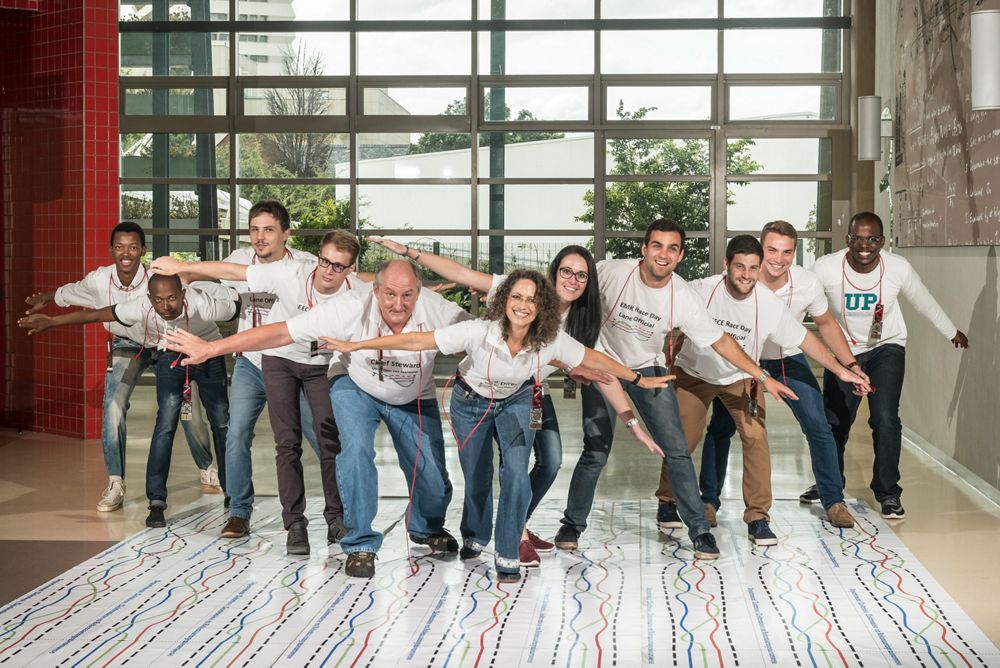
This experiential learning module intends for the student to develop, through reflection, understanding of their own experience in a team-based works space as well as a broader understanding of the application of their discipline knowledge and its potential impact in their communities in this way also enhancing their sense of civic responsibility.
Patrones Hermosos
Tecnológico de Monterrey | Mexico
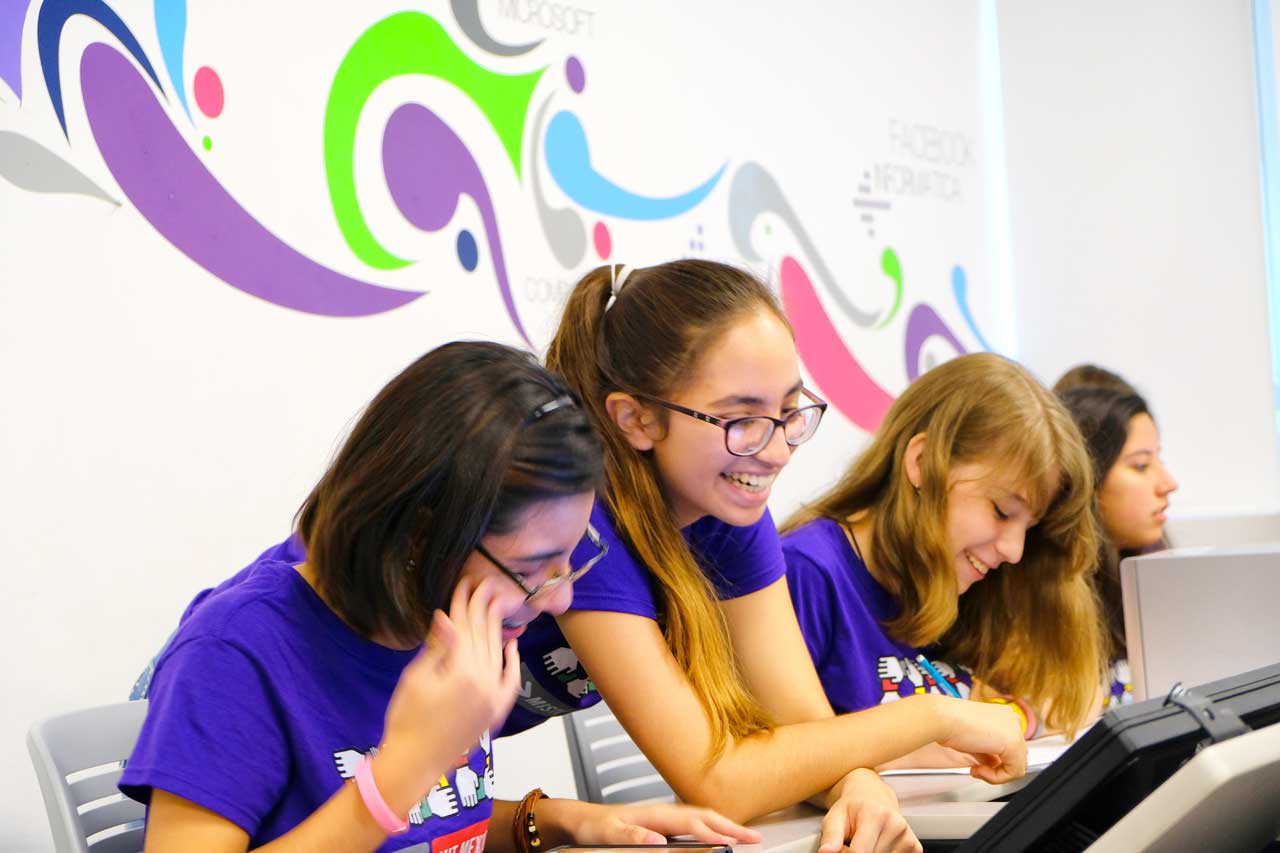
Beautiful Patterns seeks to reduce the gender gap in stem students at a college level in Mexico. It does so by empowering adolescent girls through education. Girls participate in a one-week program learning algorithmic thinking skills and computational tools. It is a program taught by women to women. Female engineering students from MIT and TECde Monterrey teach girls to love stem so they can choose it as a career path. The program consists of a 5-day training camp, 6 hours of work per day plus one hour for lunch, where girls learn different methods and tools to develop logical thinking and computational algorithms with teaching methodology based on problem solving in an atmosphere of play, fun and conviviality.
EPICS
Purdue University | United States of America
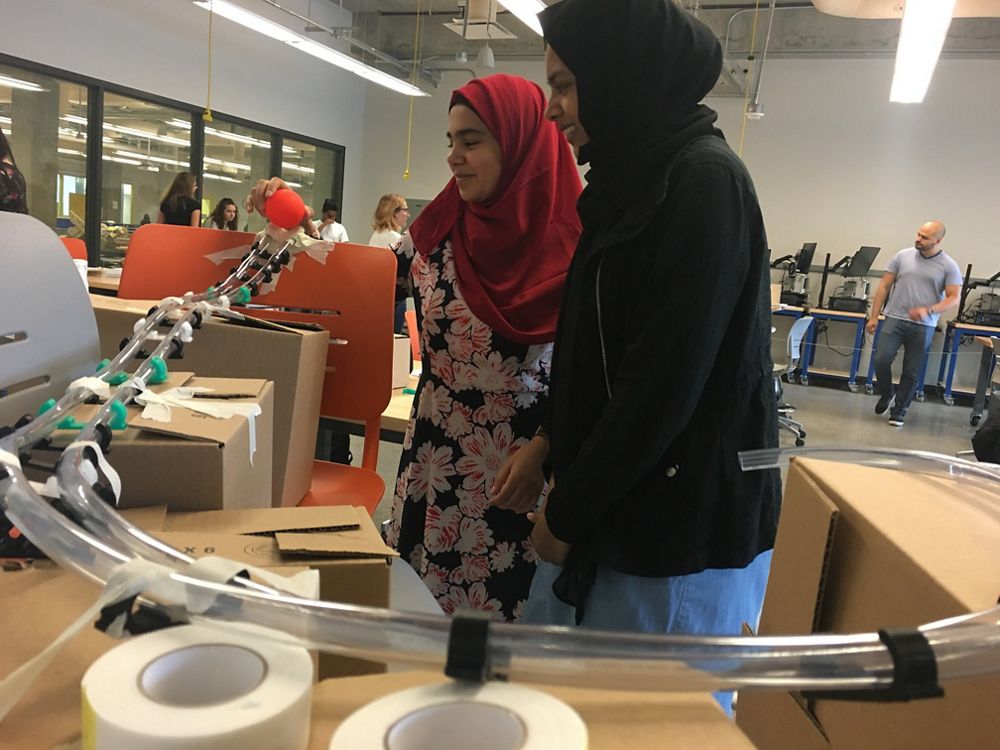
EPICS is a design-based community engagement program where university and K12 students identify needs within their local or global communities, develop partnerships and work with their partners to develop solutions to those needs. EPICS began at Purdue University and has expanded to more than 50 other institutions globally and more than 100 middle and high schools within the USA. EPICS brings together diverse groups of students with members of diverse communities to address problems and aligns with diversity research advocating for a connection between engineering and human, community and environmental needs.
Cross-campus capstone classroom (C4)
York University | Canada
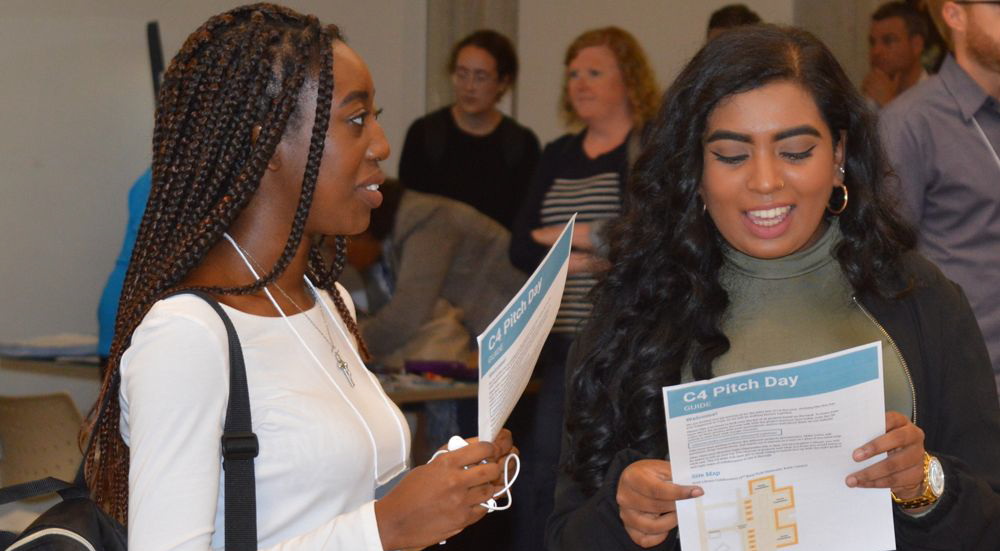
C4 was created to break down disciplinary barriers between students and explore how diverse teams solve problems together. In its inaugural year, students from five programs, are working in multidisciplinary teams to create sustainable solutions to social-impact challenges from companies, nonprofits, startups and government linked organizations. This full year capstone experience helps students recognize the value of their own interdisciplinary skills, learn how to work effectively across boundaries and understand that today's problems need us to come together, learn with each other and find our common purpose. Click here for Winner Announcement.
SaviaLab
Pontificia Universidad Católica de Chile | Chile
A STEM education for indigenous minorities and young people in rural areas, bridging the gap of opportunities. Individuals are taught tools for context assessment to create initial prototypes, and at a more advanced level, receive a technological workshop including 3D printing (Fused Deposition Modelling) and basic programming of an Arduino (microcontroller). Since 2014, the project has engaged over 3,300 students from 7 regions. The project also empowers the minorities within its Engineering programme (women and first-generation university students) who travel around Chile, training teams and teachers, and become role models to young people who start viewing STEM careers as an opportunity.
BIRDS Satellite Project
Kyushu Institute of Technology | Japan
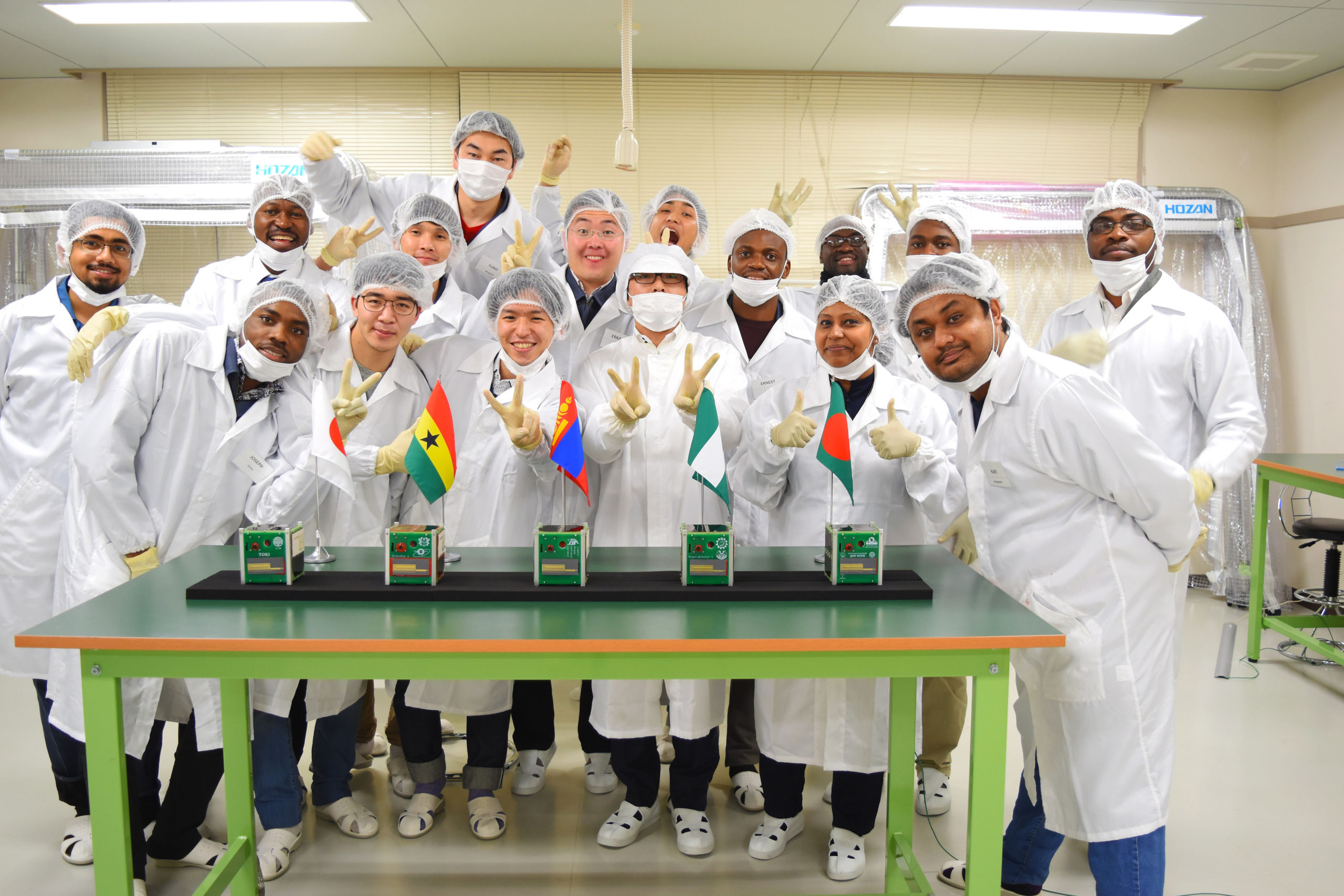
BIRDS Satellite Project trains graduate students from developing countries—including Ghana, Nigeria, Mongola, Bangladesh and Thailand—in using cost-effective innovative systems engineering to execute a comprehensive two-year satellite project, with the long-term goal of equipping them to commence a sustainable space program in their respective home countries. This collaborative program provides an opportunity for young engineers to compete in today's global market by teaching specialized waste-minimizing systems engineering models, developing core skills and building a supportive peer network. The project creates a sustainable pathway for participants to implement training initiatives in their home countries, contributing to the globalization of engineering education.
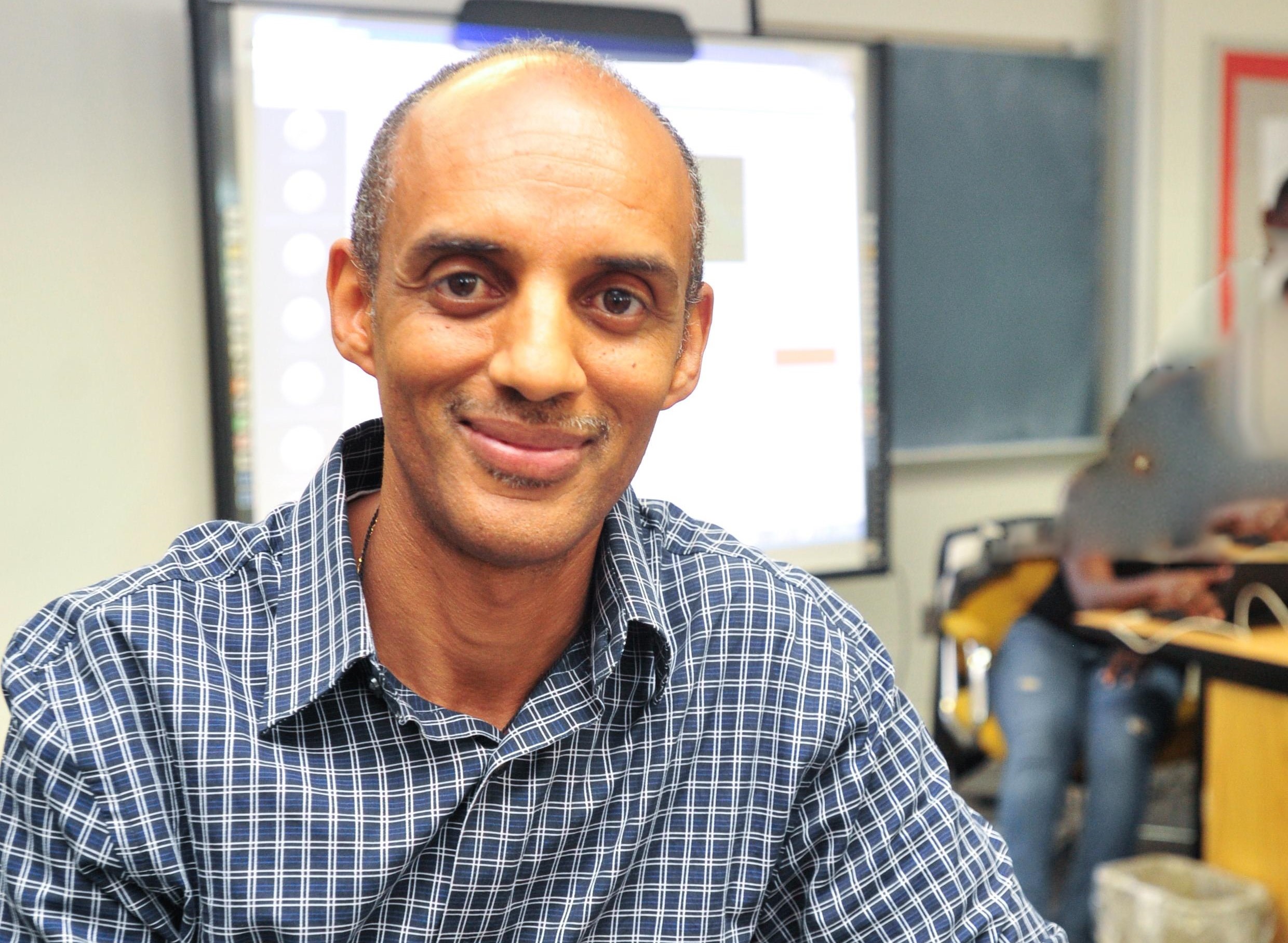
Yacob Astatke
Morgan State University | United States of America
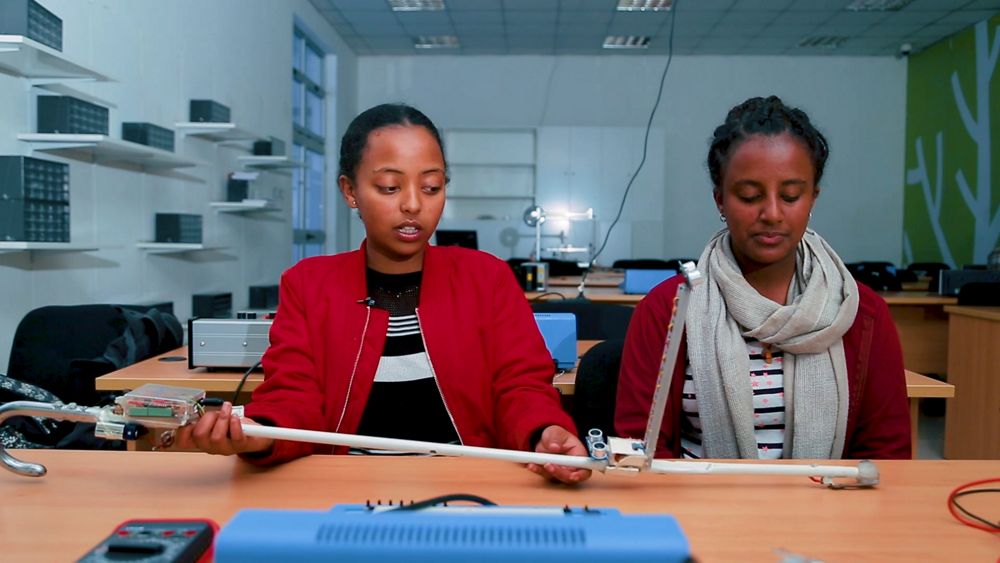
Dr. Yacob Astatke was selected as the recipient of the 2016 award for his impressive introduction of technology and training initiatives across universities in Ethiopia. For the past 14 years, he has worked to improve the delivery of engineering education in Ethiopia through teaching graduate courses, sharing best practice and delivering training. Since 2009, he has led the implementation of Mobile Studio™ Technology in five universities in Ethiopia. This portable instrumentation Input/Output IO-board enables students to conduct hands-on exploration of electrical and computer engineering (ECE) concepts. Dr. Astatke has been instrumental in facilitating the donation of equipment and other resources.
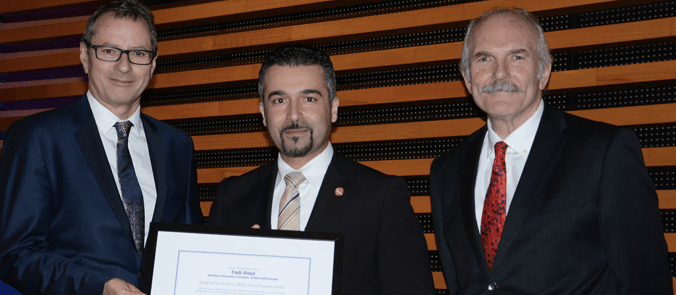
Fadi Aloul
American University of Sharjah | United Arab Emirates
Fadi Aloul was selected as the award recipient for his key role in developing a program to introduce first-year undergraduate students to the engineering profession and stimulate their critical thinking and creativity. Results show that the course has had a positive impact on the students' interest in engineering and helped to increase their motivation and deepen their understanding of the relevance and impact of their own discipline in solving real-world problems. The retention rate has increased over the years, reflecting the course's significant impact in attracting and encouraging students with different profiles and backgrounds to study and succeed in engineering.
Marita Cheng
Robogals | Australia
Marita Cheng is the founder of Robogals, an initiative designed to inspire girls aged 10-14 to choose engineering and technical careers, as well as a global community of engineering students committed to the cause of greater diversity. Through a varied, exciting program of workshops, training, student challenges, a Robogal Ambassador program and a dedicated outreach program for rural and regional areas, Robogals has so far reached over 80,000 girls worldwide, utilizing a largely volunteer workforce of university students. From its inception at the University of Melbourne it has grown into an international organization with chapters at over 30 universities.